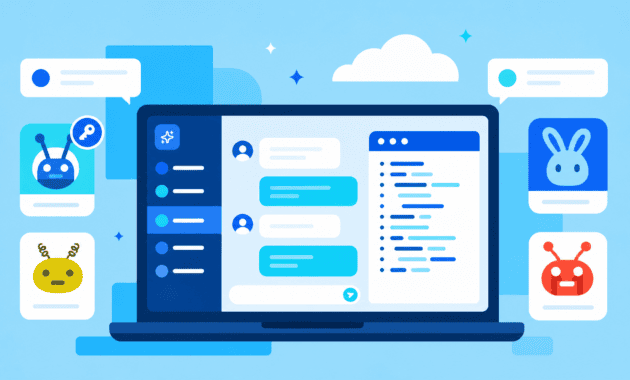
Buzz open source workspace from Block puts AI agents right next to humans in the same team chat. It’s built on the decentralized Nostr protocol, and it gives every user and every AI agent a cryptographic identity. Block didn’t just bolt a chatbot onto an existing app. It designed Buzz so agents are full teammates, with their own permissions, their own memory and their own audit trails.
Block is led by Jack Dorsey, who also just shipped the offline-first Bitchat messaging app, and the company released the Buzz code under an open source licence. Anyone can download it, customize it and run their own instance without paying a vendor. According to a LinkedIn post by developer Sandeep Gajera and reporting from Techstrong.ai, the project is still early. But the idea behind it says something about where team collaboration tools are headed.
What Is Buzz Open Source Workspace
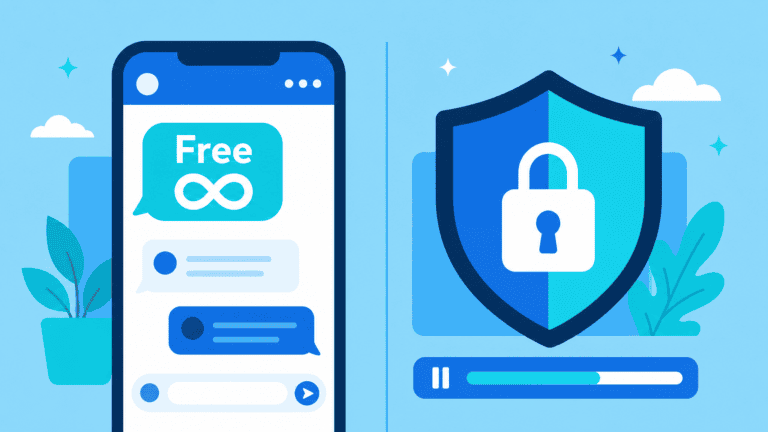
Buzz combines threaded conversations, direct messages, voice communication and built-in code repositories in one interface. What sets it apart: every participant, human or AI, connects through a Nostr identity key. There are no traditional email-and-password accounts here. Your identity is a portable cryptographic key you control, and it works across any server that speaks the Nostr protocol.
Block built AI agents straight into the chat surface. You tag an agent the same way you’d tag a colleague, and it can respond, run code and pull from shared project files. Because agents carry their own identity keys, every action they take gets logged and can be audited later. Teams get one place to talk to people and machines, instead of juggling separate tools for each.
Because the code is open, organizations can inspect it, adjust the security model and pick which AI models power their agents. Block hasn’t locked the workspace to one cloud provider or one model vendor. Early documentation points to support for Claude Code alongside other AI backends, so teams can configure their digital coworkers however they want.
AI Agents Get Cryptographic Identities
Inside the Buzz open source workspace, every AI agent gets its own Nostr key pair, the same kind of identity a human user holds. That changes how teams can watch and control what agents do. An agent’s key signs every message, every code commit and every tool call it makes. That produces a trail a compliance officer or a tech lead can actually check later.
Agents also carry explicit permissions. A code-review agent might be allowed to comment on pull requests but not merge them. A deployment agent can run a CI/CD pipeline but can’t open new repositories. These permission scopes attach to the agent’s public key, so they’re enforced cryptographically rather than through one administrator’s dashboard. If an agent misbehaves, or a key gets compromised, you can rotate or revoke it without disrupting the rest of the team.
Compare that to plugging a generic AI chatbot into a Slack channel. In Slack, an AI integration usually acts on a user token or a bot token that shares a broad set of permissions. In Buzz, each agent is its own entity, and its identity carries minimal privilege by default. That shrinks the blast radius when something goes wrong, and it gives security teams a much clearer picture of who, or what, did what.
The Nostr Protocol and No Vendor Lock In
Buzz runs on Nostr, a lightweight standard for decentralized social communication. Nostr uses cryptographic key pairs to identify users and relay messages between servers. No company owns Nostr, so no central server can gate access or read private messages. Block chose it to make the workspace portable: users can move their identity and their conversation history to any server that supports the protocol.
That architecture removes a common headache in enterprise collaboration tools. A team that starts on one hosted instance can later migrate to a self-hosted node without losing its identities or its message history. According to Sandeep Gajera’s post, this is what makes Buzz free from vendor lock-in, a deliberate contrast to Slack’s closed, enterprise-first model. Companies that need to keep data inside their own data centre, or on a specific cloud region, get a path that doesn’t depend on Block’s infrastructure.
Nostr also lets the workspace connect to outside tools through one unified event log. Every message, every code change and every agent interaction is an event signed by a key. That log can feed observability platforms, compliance systems or custom dashboards without a special API connector. Teams can rebuild their whole timeline on any client that understands the Nostr wire format.
Buzz vs Slack and Other Team Chat Tools
Slack still dominates workplace chat, but its AI integrations are mostly bolt-on features. You can invoke a bot in a channel, yet the bot has no permanent identity, and the audit trail often stops at the integration token. Buzz treats AI agents as first-class citizens. They show up in the member list, own their own message history and follow the same permission model as humans. That’s a real shift in how collaboration software treats non-human participants.
Code collaboration is built into the workspace too, not bolted on through external apps. Block put repositories directly inside Buzz, so a developer can discuss a bug, ask an agent to suggest a fix and commit the change without ever leaving the conversation. In Slack you typically link out to GitHub and switch tabs. Buzz keeps code and chat in the same event stream, so context stays together even when a conversation stretches across days or weeks.
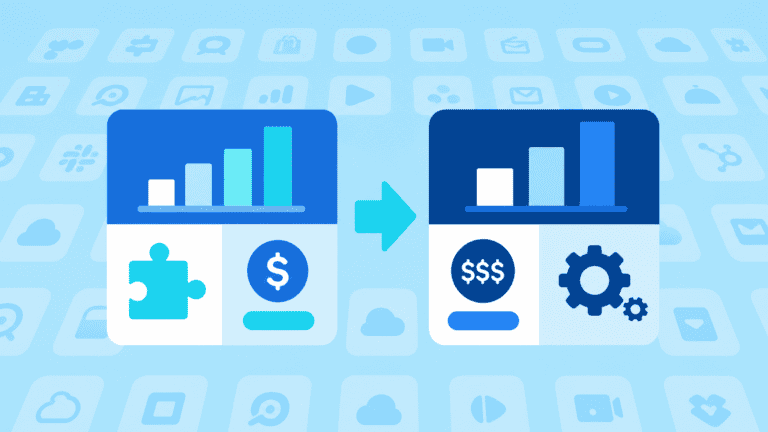
Cost is another difference. Because the project is open source, teams can run it on their own hardware for free. Hosted Slack plans start around $7.25 per user per month for basic features, and climb from there for compliance and AI add-ons. An open source stack gives small teams and startups access to agent-powered collaboration without a per-seat subscription. Larger organizations that want commercial support can still pay a provider, but nothing forces them to.
Buzz Early Stage and What Comes Next
Block has been upfront that the Buzz open source workspace is still early. The GitHub repository lists core features as functional, but notes that stability, documentation and community tooling are still being built out. The project is taking contributions, and a small but active community is forming around the codebase. Early adopters are already experimenting with custom agents built for narrow jobs, from code review to meeting transcription.
The roadmap will likely expand agent memory, firm up voice communication and add integrations with popular developer tools. As more model providers ship smaller, cheaper models, running a dozen specialized agents inside one workspace starts to look practical rather than expensive. Buzz is positioned to let teams try that without rewriting their entire stack.
Whether Buzz becomes a Slack replacement, or just finds a niche among developer-first teams, is still an open question. The combination of cryptographic identity, open source code and agent-native design puts it in a category of its own. Early feedback from testers suggests the core idea clicks with teams that already manage their own infrastructure and want to stop treating AI as some separate bolted-on tool.
Frequently Asked Questions About Buzz
How do AI agents sign in to the Buzz open source workspace?
Each agent holds its own Nostr key pair, the same kind of cryptographic identity a human user carries. That key signs every action the agent takes, so its activity stays verifiable and auditable. There’s no separate login flow for agents. They authenticate the same way a person does.
Can I run Buzz open source workspace on my own server?
Yes. Block released the code under an open source licence, so you can host it on your own infrastructure. You keep full control of your data, and you can choose which AI models power your agents without paying a per-user subscription to a third party.
Does the Buzz open source workspace support voice and video?
Voice communication is built in, and threaded conversations support direct messages. Video features aren’t prominent yet in the current early release, but the open source community can extend the workspace with more media capabilities over time.